
How to Practice for PTE at Home: A Simple Daily Plan [2026 Guide]
![How to Practice for PTE at Home: A Simple Daily Plan [2026 Guide]](/blog-covers/how-to-practice-pte-at-home-2026/cover-en.png)
01 Set up your home practice like a test session
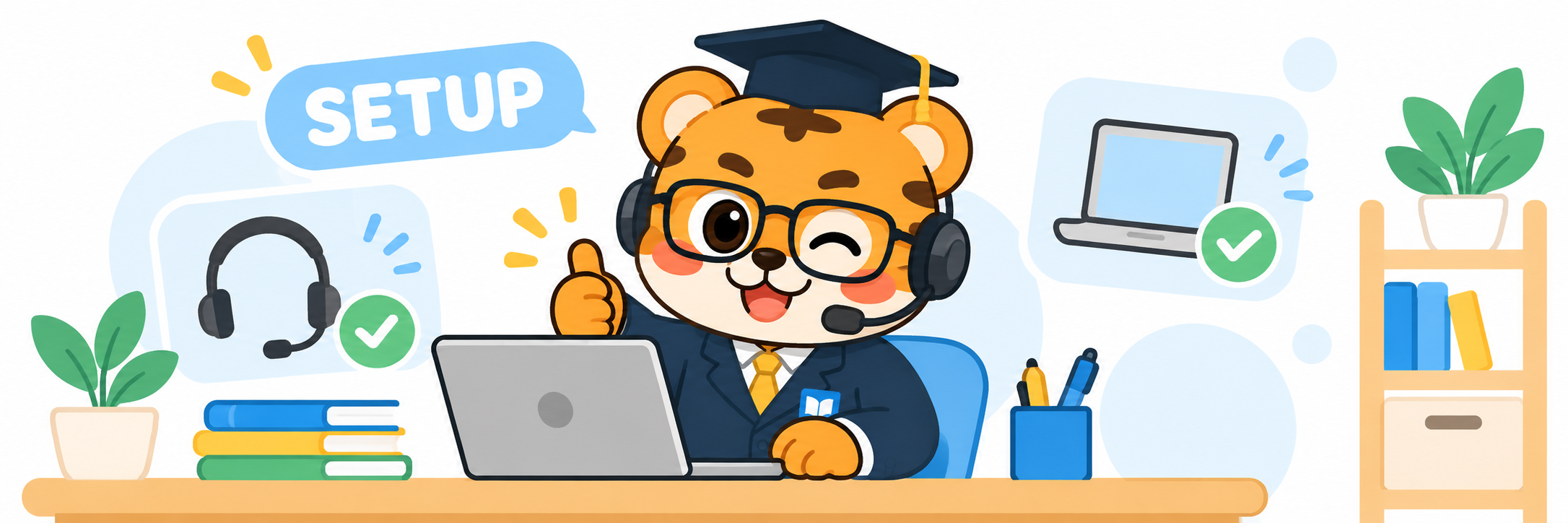
When you practise PTE at home, the first problem may not be the questions. It might be your phone lighting up, a tangled headset, or someone asking you something just as you start speaking.
There is another small trap too. You may feel that your answer sounded smooth, then play the recording and notice quiet volume or long pauses.
You do not need to buy a lot of equipment to get started. Use a computer with a reliable internet connection, a headset with a microphone, and a quiet time of day.
Pearson recommends using a computer in a quiet environment for its online Question Bank. Put your phone on Do Not Disturb, keep your materials in the same place, and record a ten-second sound check before a session.
It takes almost no time, and it can save you from finishing a long practice set only to discover that your microphone was not working.
Next, learn how the questions and timers work. PTE Academic covers Speaking, Writing, Reading, and Listening, and the task instructions vary.
Check the official Pearson preparation page for current task explanations and preparation resources. Pick one or two question types that still feel unfamiliar and learn the instructions, preparation time, and response format.
You do not have to begin with a full mock test. If you are still figuring out the buttons and timing, a score may not tell you what you need to work on.
One good thing about practising at home is that you can work on the little details before test day. You can adjust your posture, microphone distance, and the moment you begin speaking after a prompt.
The goal is not to turn your home into a test center. It is to notice the distractions and habits that might otherwise catch you off guard.
02 Practise all four skills, but give more time to your weak area
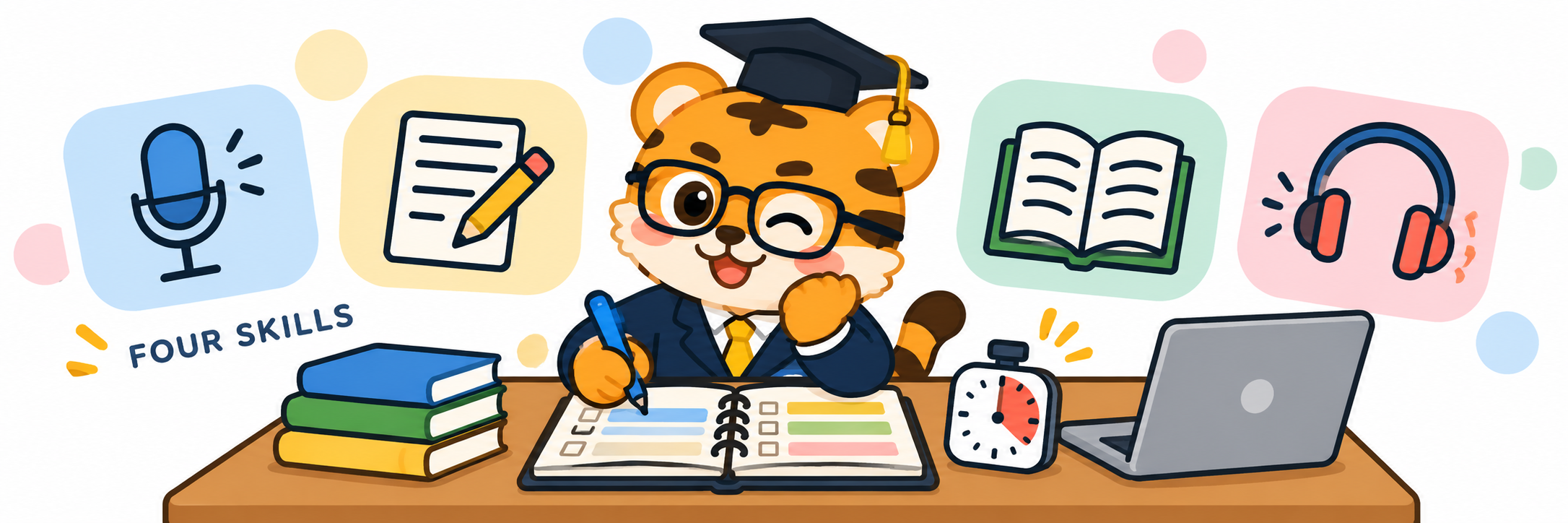
A home study plan can look very fair on paper: thirty minutes for speaking, writing, reading, and listening every day. After a few days, that schedule can feel heavy, and it may not focus on your main gap.
A more useful start is to take a short diagnostic or a mock test, see where you are getting stuck, and spend most of your practice time on that area. Short sessions in the other skills can help you keep them active.
For speaking, you could begin with short tasks such as Read Aloud or Repeat Sentence. Record your answer and review one thing at a time, such as a pause, a missed word, or uneven volume.
Trying to fix pronunciation, grammar, speed, and content all at once can make you freeze. After a listening exercise, write down the words you missed and decide whether you did not hear them, had trouble spelling them, or lost focus halfway through the sentence.
Then take that specific question into your next session. For reading, do more than count correct answers.
Return to the sentence and check the word form needed in the blank and how the surrounding ideas connect. Writing works well with timed practice.
When you finish, leave a few minutes to check that you answered the prompt, your sentences are clear, and you have not missed an easy spelling error. Pearson's task explanations can help you confirm what each question type asks you to do.
A daily routine can stay simple: spend a few minutes reviewing yesterday's mistakes, practise one set in your weaker area, then write a short note about what you noticed. On a good day, do more.
On a busy day, shorten the session but keep the routine. The point is not how long you sit at your desk. It is knowing what you are going to notice in your next practice session.
If you want to keep task practice, speaking and writing feedback, mock tests, and study records together, take a look at YoushowPTE at https://pte.youshowedu.com. The platform offers practice across all four skills, AI feedback for speaking and writing, mock tests, and practice records that can help you organise your routine.
Its feedback and mock results are for practice and review; they are not official Pearson scores.
03 Use mock tests to check your direction, then return to your mistakes
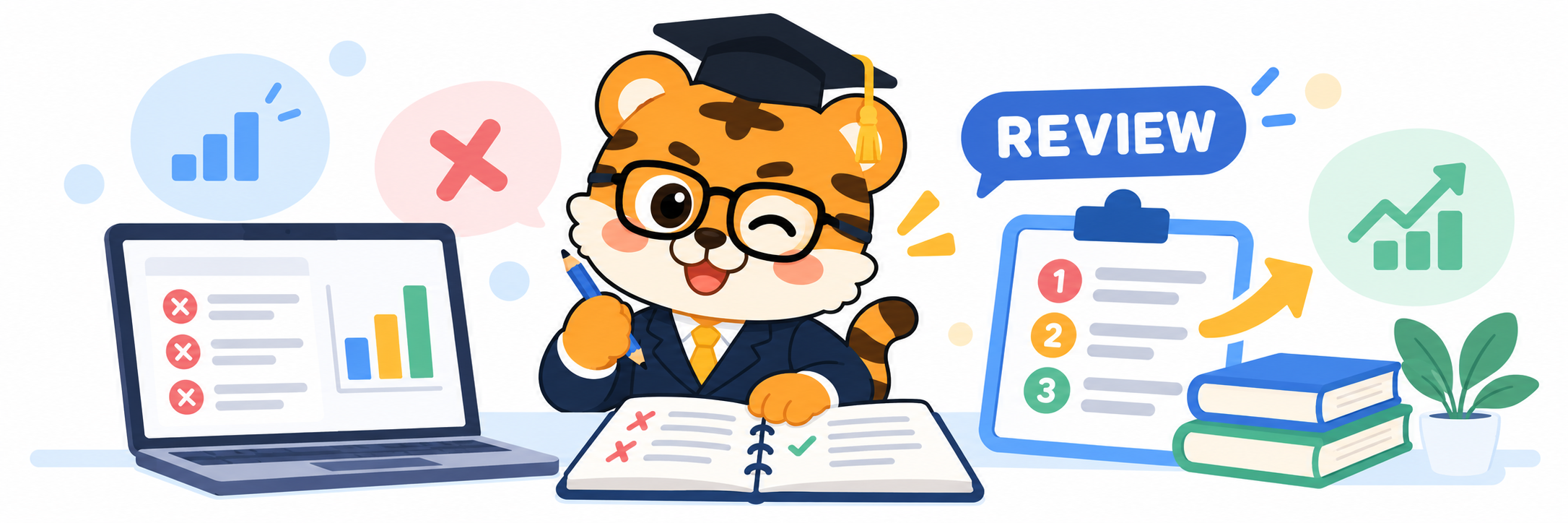
It is easy to get into a cycle of answering lots of questions and collecting scores, while making the same mistake the next time. A mock test is most useful when it helps you choose what to practise next.
After one, write down three things: which skill felt least steady, which question types caused the most trouble, and one change you want to try next week.
You do not need to take a full mock test every day. Treat it as a progress check that helps you review timing and focus across the whole test.
Between mocks, break the issues into smaller practice tasks. If your speaking becomes rushed near the end, practise a short run of consecutive responses and watch your pace.
If spelling affects your listening practice, spend a few minutes each day transcribing and checking selected answers. Change one or two habits per round so you can tell whether the adjustment helped.
Your review does not need to be a folder of screenshots. Write one short explanation in your own words, such as the contrast word pulled your attention away from the example or an unfamiliar word made you pause too long.
Return to a similar task a few days later and check your idea. If it worked, keep the action.
If the same error happens, try to work out another reason. It is not flashy, but this is how practice starts to become useful experience.
Make a plain weekly plan and write down which skills you will practise, when you will review mistakes, and when you will take a full mock. You do not need a perfect study room or a plan to fix all four skills at once.
Find a quiet corner, record your first speaking response, listen to it, and choose one thing to adjust next time. I like this as a starting point because it does not ask you to become brilliant overnight.
It just gives tomorrow's practice a little more direction. When the desk at home stops being the place where you say you should start and becomes the place where you know what to practise next, your preparation is under way.
If you made it this far and found this useful, feel free to give it a like.
Thanks for reading. See you next time.

AI-Powered PTE Preparation Journey
YoushowPTE provides AI smart scoring, massive real exam questions, and full mock exam system to help you pinpoint weaknesses, improve scores efficiently, and reach your target score with ease.
- AI Speaking & Writing Real-time Scoring
- High Hit-rate Real Question Bank
- Full Mock Exam Restores Real Test Experience
- Free Sign Up, Start Practicing Now